
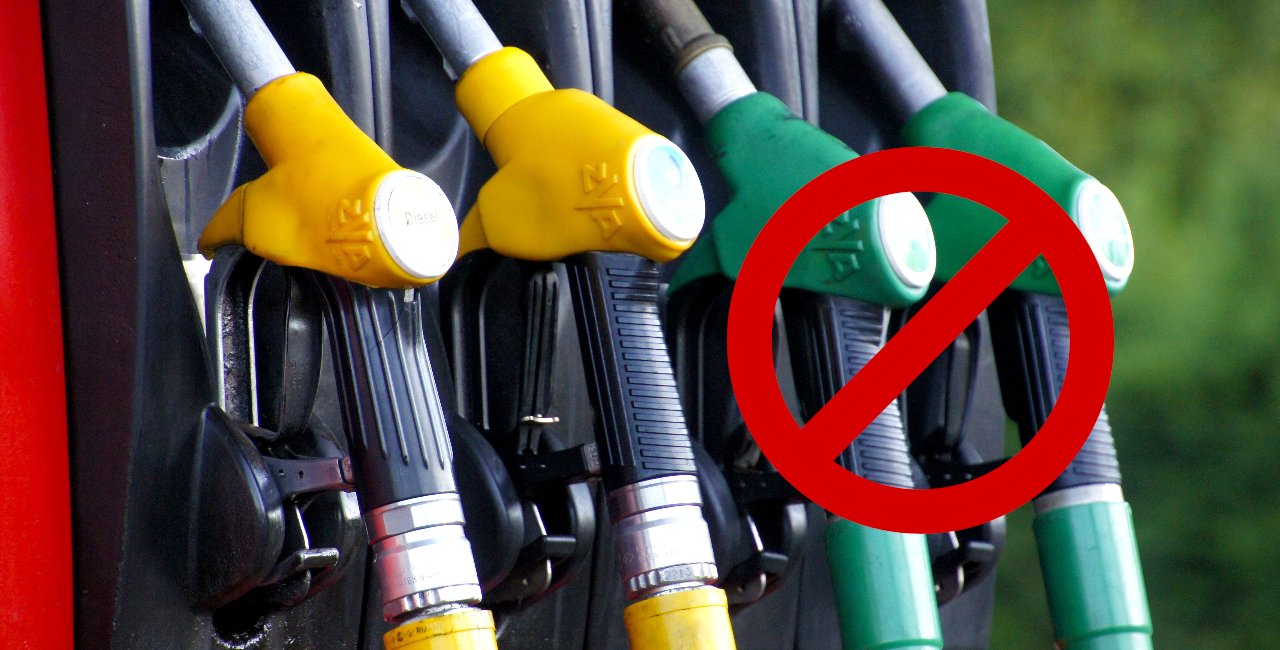
Do you still ask for unleaded gasoline?
If you do you are making a mistake and not telling the staff at the filling station what octane to use or what grade of gasoline to put in your tank.
The History of Leaded Gasoline in the Philippines
Before 2002, leaded gasoline was commonly used in the Philippines. This type of gasoline contained high levels of lead, which is a toxic metal that can cause serious health problems, particularly in children. Lead is also harmful to the environment, as it can contaminate soil and water.
The use of leaded gasoline in the Philippines contributed to air pollution and health problems, which prompted the government to take action.
The Mandate for Unleaded Gasoline
In 2002, the Philippine government mandated the use of unleaded gasoline to reduce the harmful effects of lead on the environment and public health. This decision was part of a larger campaign to improve air quality and reduce pollution in the country.
Under the mandate, all gasoline sold in the Philippines must be unleaded, and there is no longer a need to distinguish between leaded and unleaded gasoline.
The Redundancy of the Term “Unleaded”
Since the mandate for unleaded gasoline, the term “unleaded” has become redundant in the Philippines. All gasoline sold in the country in fact the whole world is now unleaded, and there is no longer a need to distinguish between leaded and unleaded gasoline.
A Worldwide ban on Leaded Gasoline
Leaded gasoline has been phased out in all countries and territories worldwide, and its use has been banned since 2021 by the United Nations Environment Programme (UNEP).
This global phase-out of leaded gasoline is a significant achievement in the effort to reduce the environmental and health impacts of lead. Lead is a toxic substance that can cause severe health problems, particularly in children and is harmful to the environment.
The phase-out of leaded gasoline has been a long and ongoing process, with some countries have already banned the use of leaded gasoline decades ago, while others only recently did so. However, as of 2021, all countries have committed to phasing out leaded gasoline completely.
Unleaded is Obsolete
As a result, the term “unleaded” has become obsolete in all countries, as gasoline sold anywhere in the world is now unleaded by default. Therefore, referring to gasoline as “unleaded” is no longer necessary or relevant, it also sounds a bit stupid as that is the only gasoline there is.
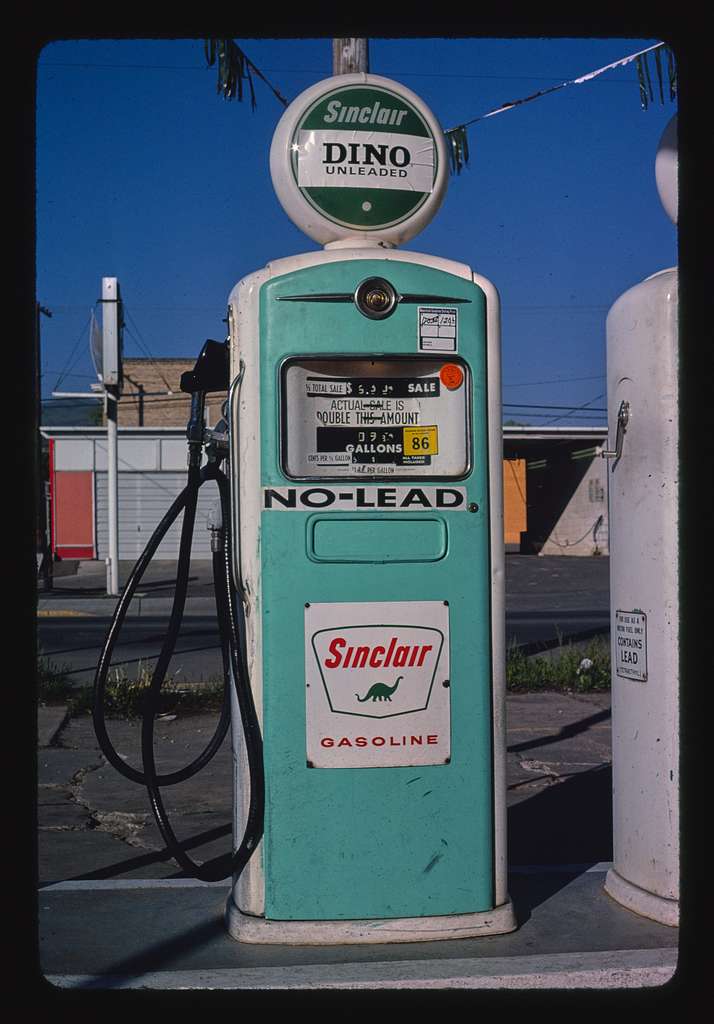
FAQ – No more Unleaded Gasoline in The Philippines
Q: What is the history of leaded gasoline in the Philippines?
Q: Why did the Philippines mandate the use of unleaded gasoline?
Q: What does the term “unleaded” mean in the context of gasoline?
Q: Is it still necessary to ask for unleaded gasoline in the Philippines?
Q: Has the use of leaded gasoline been phased out worldwide?
Q: Why is the term “unleaded” considered obsolete?
Q: What are the environmental and health impacts of leaded gasoline?
Q: Can I still use leaded gasoline in the Philippines?
Q: Are there any alternative terms to use instead of “unleaded”?
Q: Where can I find more information about the phase-out of leaded gasoline?
The Correct Name of Gasoline is Petrol
Gasoline is commonly known as “gas” in the United States and Canada, while in most other English-speaking countries, it is referred to as “petrol.” Here are a few reasons why “petrol” is considered the correct name for this fuel:
- International Standard Terminology: “Petrol” is the internationally accepted term for this fuel. It is used in countries such as the United Kingdom, Australia, New Zealand, India, and many others. In these countries, “petrol” is the standard and widely recognized term.
- Etymology: The term “petrol” derives from the word “petroleum,” which refers to the raw material from which gasoline is refined. Petroleum is a naturally occurring substance composed of various hydrocarbons. As gasoline is a refined product of petroleum, the term “petrol” accurately reflects its origin and composition.
- Linguistic Consistency: Using the term “petrol” promotes linguistic consistency within the English language. In many instances, specific words are chosen to describe certain objects or concepts, and “petrol” fits within this linguistic framework. By using the appropriate term “petrol,” we maintain consistency with other related words like petroleum, petrochemicals, and petrology.
- Global Awareness: In an increasingly interconnected world, it is important to have a common understanding and terminology. By using the term “petrol,” we contribute to global awareness and facilitate effective communication among people from different countries and linguistic backgrounds.
- Environmental Implications: The term “petrol” also carries some environmental connotations. In many parts of the world, the use of gasoline contributes to air pollution and climate change. By using the term “petrol,” we may be reminded of the need to transition to cleaner and more sustainable energy sources, promoting discussions and actions related to environmental preservation.
While the term “gasoline” is widely understood in certain regions, adopting the term “petrol” helps to align with international standards, linguistic consistency, and global awareness. It acknowledges the origin of the fuel and promotes a shared understanding of its environmental implications.